Smart Sprinkler Installation: Upgrading to Wi-Fi Controllers
Smart watering is much less concerning glossy devices and even more regarding control. A Wi-Fi sprinkler controller offers you a deal with on watering timetables, seasonal changes, and surprise weather. It can likewise appear troubles previously, which matters if you have long runs, a mix of lawn and drip, or a property that is hard to monitor. Succeeded, an upgrade lowers water waste and saves time, without transforming your system into a scientific research project.
What a Wi-Fi controller really changes
Traditional controllers utilize fixed programs and easy rain delays. Wi-Fi versions add weather data, remote gain access to, better diagnostics, and extra nuanced organizing. If a thunderstorm rolls through at twelve noon, a wise controller can avoid the evening run. If an area starts using extra water than typical, a circulation sensor can flag a leakage. From a phone, you can run a single area throughout sprinkler repair work, stop the system for a landscaping crew, or readjust runtimes after reseeding.
The most significant change is responses. As opposed to guessing, you see runtime, cycle background, and in some cases water volume. This transforms lawn sprinkler maintenance from a seasonal job right into a fast, ongoing check-in.
Take stock of your existing system before buying
A great upgrade begins with a clear picture of the system you currently have. The controller is only the front end. The shutoffs, circuitry, sensors, and hydraulics determine how efficient a clever brain can be.
Walk with these elements:
Controller place and power. Is the current unit inside or outdoors, hardwired or plugged in? Exterior versions require weatherproof rooms and, in several areas, a lock. If you see 120 V circuitry inside the box, treat it very carefully and comply with electric codes. Lots of Wi-Fi controllers utilize a low-voltage transformer and a basic receptacle, which simplifies installation.
Zone matter and electrical wiring. Count energetic stations and open up the existing controller to check cord tags. A normal property system makes use of one typical cord and one control cable per area. Note any kind of extra conductors, considering that they can conserve a future service phone call if a cord fails. Picture whatever prior to you touch a terminal.
Master valve or pump. Some systems use a master shutoff or pump begin relay. You will certainly need a controller with a dedicated MV/P terminal and arrangement options to prevent water hammer or brief cycling.
Sensors. Search for rain, freeze, or soil wetness sensor cables. Several older rain sensors interrupt the common cord, which can confuse modern controllers. Strategy to wire these into the sensor input terminals instead.
Backflow and water resource. If you have a well, reclaimed water, or a booster pump, your scheduling and area collection may require change to shield the devices and meet local rules. Backflow assemblies also have winterization implications if you live in a freeze zone.
This prework informs what you get and just how you install. It also avoids one of the most common mistake I see on service calls: selecting a controller that does not match the circuitry or hydraulic fact on the ground.
Choosing the appropriate Wi-Fi controller
There are several experienced brands. The most effective fit depends on features, your home layout, and comfort with apps.
Compatibility and station capacity. Match the variety of stations with area to grow. If you have 9 areas and plan to include drip for beds, a 12-station unit or a modular framework makes sense.
Sensor support and flow surveillance. A devoted port for rainfall and freeze sensing units is nonnegotiable in regions with summer storms or winter months dips. If your water line supports a flow meter, designs with built-in circulation learning can capture stuck valves or busted laterals quicker than any type of visual check.
Local controls. Look for physical switches or a jog wheel on the face of the controller. You will value neighborhood control when your phone dies or Wi-Fi is down during sprinkler installation or repair.
Scheduling knowledge. Some controllers use evapotranspiration (ET) based scheduling, seasonal adjust, and cycle and saturate. ET features should be transparent with editable plant coefficients. Fancy is not constantly much better; I favor designs that let me see and bypass the mathematics when needed.
Weather information and subscriptions. Examine whether climate intelligence is complimentary or secured behind a subscription. Designs that blend local stations with hyperlocal forecasts execute best. Watch out for controllers that swing runtimes too aggressively based upon a single forecast source.
Connectivity and protection. 2.4 GHz Wi-Fi is still the standard, and it penetrates walls far better than 5 GHz. Controllers with WPA2 support and optional Ethernet or a local-only backup include durability. Some enable HomeKit or local API accessibility, helpful if you integrate with various other systems and intend to keep control throughout web outages.
Build quality. A gasketed outdoor enclosure, charitable stress alleviation on wiring, and screw terminals that secure securely matter greater than shiny plastics. In garages that get to 100 to 110 levels F, cheap plastics warp or come to be weak. Invest a bit a lot more once, replace much less later.
Planning the upgrade
Before you take out the old box, intend the cutover. Label each area at the controller and in the yard. If the original installer made use of numbers that do not match what you see in the area, rename them. Knowing that Terminal 3 is "front incline left" instead of "Zone 3" prevents drainage when you seed or feed. I maintain a wax book the device bag for shutoffs and a permanent pen for controller labels.
If you do not have a map, run each station for a minute in turn and jot notes. During this fast examination, expect lazy heads, misting at high stress, or a zone that never ever pressurizes. Those ideas assist you arrange time for sprinkler repair after the controller swap. It is alluring to ignore problems till after the upgrade, yet bad hydraulics will certainly confuse climate algorithms and inflate runtime suggestions.
Have the parts ready: cable nuts rated for straight interment if you touch valve electrical wiring, added 18-gauge sprinkler cord for expansions, corrosion-resistant grease caps for shutoffs, a little degree for mounting, and brief stainless screws for outdoor backplates. Many substitute jobs delay because a solitary stripped screw or damaged wall surface anchor stops progress.
The installation, from wall surface to app
An upgrade is generally simple if the existing electrical wiring is in decent shape. If you are comfortable with reduced voltage circuitry and can follow clear layouts, you can finish the swap in an hour or two.
- Kill power to the old controller, after that photograph the terminal block carefully. Tag every cable by area, usual, and sensor. Get rid of the old device and install the brand-new backplate level and secure.
- Move the usual wire to the brand-new COM terminal initially. Then land each area cord on its numbered station terminal, matching your tags. Link the master shutoff or pump begin relay to MV/P and its common as defined by the manufacturer.
- If you have a rain or freeze sensing unit, cable it into the sensing unit terminals and, in the app, select "typically shut" or "usually open" per the sensing unit's specification. Do not leave a sensor spliced right into the common wire; eliminate that bypass and cable it cleanly.
- Plug in the transformer or restore power, after that adhere to the controller's pairing steps. Connect to 2.4 GHz Wi-Fi with a solid signal. Assign zone names, plant types, nozzle kinds, incline, and sunlight direct exposure properly so the organizing logic has excellent data.
- Test each zone from the faceplate and the application. Enjoy shutoffs click, heads rise, and pay attention for chatter. Verify the master shutoff or pump involves only when a zone runs. If an area does nothing, swap a believed bad cable with a recognized good terminal to separate whether it is electrical wiring or a valve.
During testing, a common grab is a weak Wi-Fi signal in a stonework garage or on an outside wall. A basic mesh node or a Wi-Fi extender put inside your home near that wall surface can repair this. Measure with your phone: if you see one bar or routinely drop connection, address it currently. A controller that drops offline disrupts schedules, which beats the purpose of the upgrade.
Dialing in scheduling without drowning or depriving turf
The ideal routine appreciates dirt, plant type, nozzle outcome, and climate. Numerous controllers use a "clever" setting that makes use of ET and projections to set runtime and frequency. It functions well when you feed it precise inputs.
Soil and infiltration. Clay needs shorter, much more frequent cycles to avoid overflow, especially on slopes. Sandy dirt requires much longer but less regular watering, due to the fact that it drains pipes promptly. If you do not understand your dirt, dig a small opening after a run and feel it. Clay smears and holds shape; sand crumbles.
Nozzle result. Fixed spray heads often deliver 1.5 to 2.0 inches per hour. Rotors normally apply 0.4 to 0.7 inches per hour. Drip differs commonly. If your controller allows you select nozzle kinds or get in precipitation rate, do it. Or else, you will certainly under or overwater by a large margin.
Cycle and soak. For sloped or clay areas, established multiple short cycles with saturate periods. A front south-facing incline could like three cycles of 6 mins separated by half an hour, as opposed to one 18 minute flooding that escapes right into the sidewalk.
Seasonal adjust. Rather than rewording programs on a monthly basis, use seasonal adjust to scale runtimes as temperature levels change. In my area, grass require roughly half the July water in April and October. A regular monthly adjustment maintains lawn healthy without micromanagement.
Real-world check. After a week on a new schedule, bring up a square of grass or inspect the dirt wetness 3 to 4 inches down. If it is bone dry, bump runtimes 10 to 15 percent. If it is soggy or you see mushrooms, cut back. Smart controllers benefit from a human's eye now and then.
Sensors and add-ons that make the system smarter
Rain sensing units stay the simplest insurance coverage. A great system mounted where it sees open sky stops waste throughout passing tornados. Freeze sensors safeguard heartburn settings up by stopping work on nights near 32 F. Soil moisture sensing units give excellent information in beds with blended plantings, yet they require calibration and some persistence. Circulation meters, where pipes and controller assistance permit, catch troubles you would certainly or else locate on your water bill.
Calibration takes a couple of sessions. If you set up a dirt sensor, start with manufacturer defaults, after that contrast analyses to finger examinations at different depths. For circulation meters, instruct the controller regular flow per area on a day without leaks, then established alert thresholds tight sufficient to matter yet loose enough to stay clear of annoyance notices when stress shifts.
Troubleshooting during and after the swap
Even clean upgrades surface area old issues. A couple of patterns appear consistently on solution calls.
A zone does not run. Examine the typical cable initially. One busted common at a wirenut in a shutoff box can eliminate several zones. Use a multimeter set to ohms, examination in between the controller's typical and the zone incurable with the cord got rid of. If you check out limitless resistance, presume a damaged wire or solenoid. If you check out 20 to 60 ohms, the course is undamaged and the issue may be at the controller.
Valve chatter or buzz. This can originate from weak voltage, a falling short solenoid, or a shared typical with a sensor that is wired incorrectly. Confirm the transformer output matches the controller spec, usually 24 VAC. Pay attention near the valve box; so one valve chatters, exchange its solenoid with a next-door neighbor. If the trouble follows the solenoid, change it. If not, reconsider wiring.
Pump begin relay misbehavior. Controllers drive a relay coil, not the pump electric motor. Verify the relay coil voltage matches the controller. If the pump starts with every zone including drip, validate your MV/P job and whether the controller can omit the master on selected terminals. Running a pump against a closed drip regulatory authority reduces pump life.
Constant rain sensing unit journeys. Several heritage sensors are wired in series with the usual cord. A modern controller anticipates a tidy sensing unit input. Relocate the sensing unit wires to the assigned sensing unit terminals, tell the app what sort of sensing unit it is, and get rid of any kind of old typical cord splice that cut the path.
Scheduling swings. If you see irregular runtime modifications, examine the controller's climate resource and the area pin on the map. If it thinks your lawn is a mile away or at a different elevation, ET values suffer. Some brands allow you select a close-by climate terminal. Pick one with similar exposure and altitude, not just the closest by distance.
These repairs are part of routine lawn sprinkler maintenance. A wise controller aids you identify them quicker, however it does not take care of fractured swing joints or clogged nozzles. Construct a routine of a quick month-to-month stroll, also when the app shows all environment-friendly checks.
A basic upkeep rhythm that maintains savings real
Smart functions provide only if the system stays tuned. A light upkeep regular prevents most surprises.
- Once a month in season, run each area and look for clogged up or misaligned heads, bubbling at fittings, or unusually rapid spin on a water meter.
- After tornados or heat waves, open up the app and evaluation missed runs and runtime changes. Readjust seasonal factors if grass looks stressed.
- Twice a year, update firmware, export a backup of programs if the brand enables, and verify sensor operation by activating rain or freeze sensors.
- Before winter in freeze areas, shut off and drainpipe backflow assemblies, blow out lines as required, and established the controller to wintertime or standby mode without shedding schedules.
- Each springtime, examination flow signals if furnished, tidy filters on drip zones, and re-level any heads that sunk over winter.
This list fits in a 30 minute window and avoids the frantic shuffle that triggers emergency sprinkler repair service in July.
Costs, cost savings, and where the payback comes from
A top quality Wi-Fi controller for 8 to 12 areas commonly costs 120 to 300 bucks. Include 20 to 60 dollars for a rainfall or freeze sensor if you do not have one, and 120 to 250 bucks for a flow meter if compatible. Expert installation varies by area but frequently runs 150 to 400 bucks for a simple swap, more if rewiring or valve work is involved.
Water savings depend on climate and exactly how ineffective the old program was. On websites I manage, wise scheduling and weather misses decrease outside use by 15 to 35 percent, with higher cost savings on residential properties that utilized static summer season routines year round. On a home with a 60 to 100 dollar summer irrigation bill, that can be 150 to 300 bucks saved in a solitary cozy period. Faster leakage discovery avoids spikes. On one building with a 1.25 inch side crack concealed under a hedge, the flow alert stopped a 400 dollar month by https://augustypzq447.hexaforgey.com/posts/do-it-yourself-vs-professional-lawn-sprinkler-installment-what-you-need-to-consider flagging a continual run two hours after a zone should have ended.
There are concealed repayments also. Much less runoff decreases fertilizer waste and keeps sidewalks much safer. Soft starts on pumps expand devices life. And the time conserved driving back and forth just to run a single zone for lawn sprinkler installation or overseeding is worth something on its own.
Edge cases and special setups
Not every system fits the default mold. Change plans for a few typical edge cases.
Drip-heavy landscapes. Trickle perform at reduced circulation and reduced stress. Designate drip areas different programs, leave out master valve or pump if your regulator can not handle full pump pressure deadheaded, and extend runtimes with fewer days each week. Flow meters usually have a hard time to read really reduced flow accurately, so song sharp limits thoughtfully.
Steep slopes and clay. Double down on cycle and saturate. Tighten up precipitation rate price quotes, and consider switching nozzles to reduced rate rotating versions. Smart controllers that do not have cycle and saturate will battle to stay clear of drainage on these sites.
Wells and cisterns. Protect the source. Group high demand zones with cooldown times between runs, established optimum simultaneous zones to one, and use pump defense features if offered. In dry spell, a dampness sensing unit or hand-operated seasonal throttling may be kinder to your well than weather-based increases.
Reclaimed water. Purple pipe systems usually have backflow and timing constraints. Smart controllers can identify days or windows you must avoid. Verify regional codes before circuitry sensing units or master valves.
Shared manifolds and weird electrical wiring. Legacy installs occasionally tee a solitary terminal cord to run two valves. This defeats per-zone smarts and flow learning. If you find increased valves connected to one terminal, budget time to divide them onto separate conductors throughout a future lawn sprinkler installment or repair service. The controller can only be as granular as the electrical wiring allows.
Connectivity, privacy, and resilience
An irrigation controller does not require your complete home network. If your router provides guest networks, consider a fractional SSID for tools similar to this. Usage solid, distinct passwords and allow updates. If the brand sustains local control, learn it. Throughout a net failure, you ought to still have the ability to start a zone from the faceplate or a neighborhood connection.
For website strength, I maintain a published card inside the unit with Wi-Fi SSID, a QR code to the app, and a quick map of areas. If an occupant, caretaker, or professional needs to run a zone in a pinch, that card conserves a half hour of phone calls.
When to call a pro
A straightforward controller swap is available for many property owners, however there are times a certified specialist earns their maintain. Any type of job near 120 V supply electrical wiring, pump controls, or backflow settings up needs respect for code and safety. If you experience relentless valve babble, unexplained circulation even when the controller is off, or a sensor circuit that trips mysteriously, an experienced technology can separate the fault with a wire tracer and a pressure gauge faster than test and error.
Local codes can additionally dictate choices. Some districts need authorizations for outside electric modifications or define backflow screening after adjustments. If you are including brand-new zones or moving a controller outdoors, check before you drill.
There is also worth in a seasonal solution. A professional doing spring start-up can couple the controller upgrade with a fast audit, repair 4 or 5 heads, readjust arc and span, purge a drip filter, and leave you with a system that makes full use of the smart controller. It blends lawn sprinkler maintenance with the upgrade so the reasoning has good hydraulics behind it.
Bringing everything together
A Wi-Fi controller upgrade settles when it is based in the reality of your yard, electrical wiring, and water source. The smartest attributes can not repair a busted lateral or a hanging usual splice, but they can aid you catch problems faster and water with more precision. Take a careful stock prior to you get, pick a controller with the best mix of features and local control, install it cleanly with classified wires and checked sensors, then song scheduling to your dirt and slopes. Maintain a light hand on the system with a regular monthly check. When a repair is required, do it without delay and note what transformed. Gradually, you will certainly invest less, waste much less, and stress less, while your lawn and beds remain in better condition.
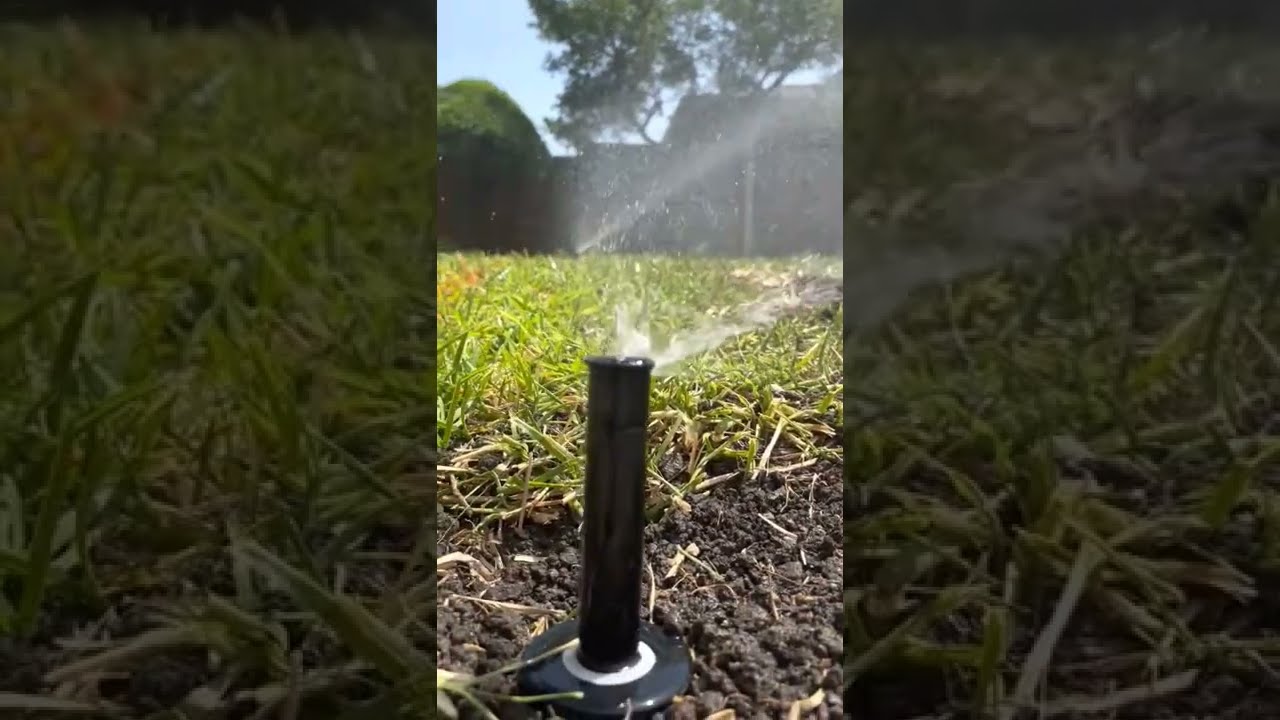
Smart irrigation is not a device project, it is stewardship of a living system. The controller is the switchboard, yet the valves, pipes, heads, and the person listening make the distinction. With sound arrangement and consistent, straightforward behaviors, you will get the full value of the upgrade and avoid the common catches that turn innovation right into busywork.